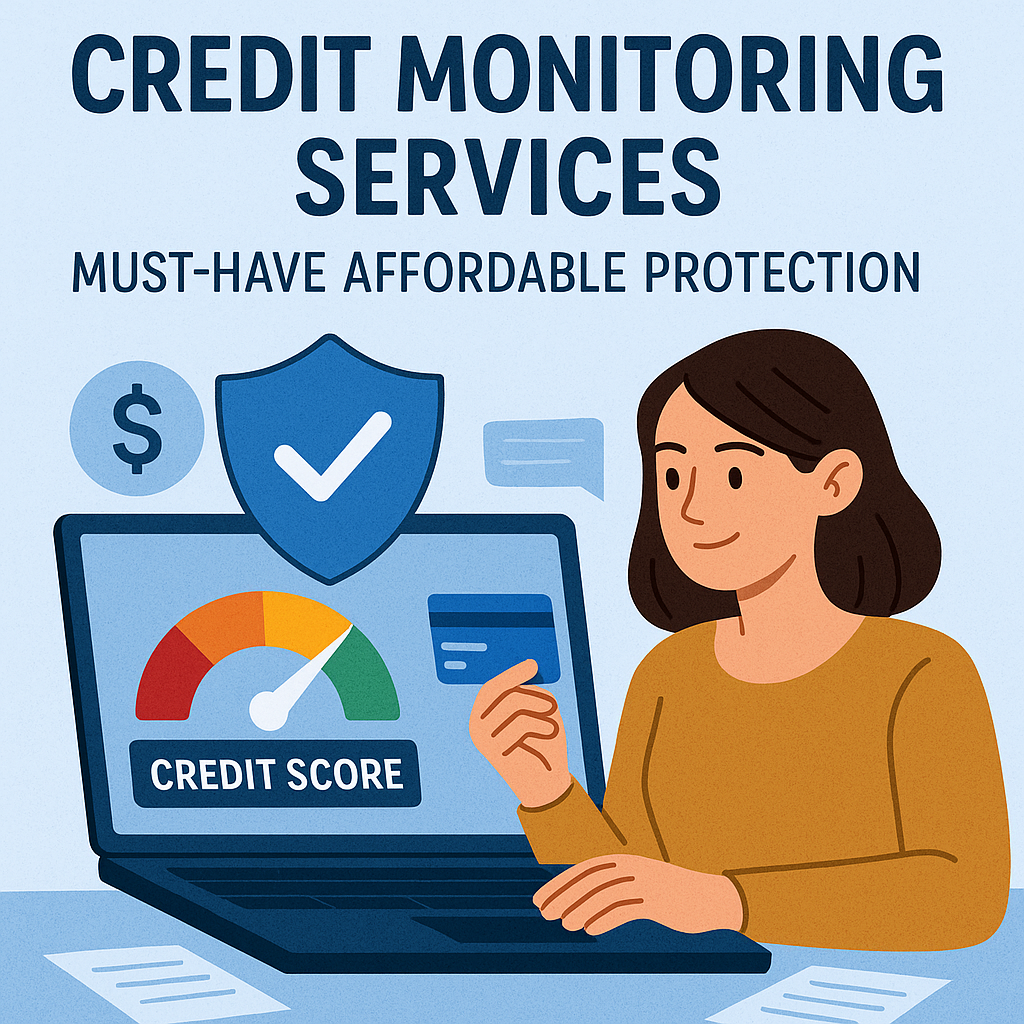
- Why Credit Monitoring Services Matter More Than Ever
- How Credit Monitoring Works (And What It Doesn’t Do)
- Credit Monitoring Services: What to Look For in an Affordable Plan
- 1. Bureau Coverage (One vs. Three)
- 2. Real-Time Alerts
- 3. Credit Score Updates
- 4. Identity Theft Support and Insurance
- 5. Dark Web or Data Breach Monitoring
- Free vs. Paid Monitoring: Which Is Worth It?
- Who Should Use Credit Monitoring?
- Practical Steps to Pair With Monitoring for Stronger Protection
- Final Thoughts: Affordable Peace of Mind That Pays Off
Credit monitoring services are one of the simplest ways to stay ahead of identity theft and protect your financial health without spending a fortune. In a world where data breaches and phishing scams are common, keeping an eye on your credit profile can help you catch suspicious activity early—often before it turns into long-term damage. Whether you’re building credit, recovering from past issues, or simply trying to protect what you’ve already earned, affordable monitoring can offer peace of mind and practical alerts that keep you in control.
Why Credit Monitoring Services Matter More Than Ever
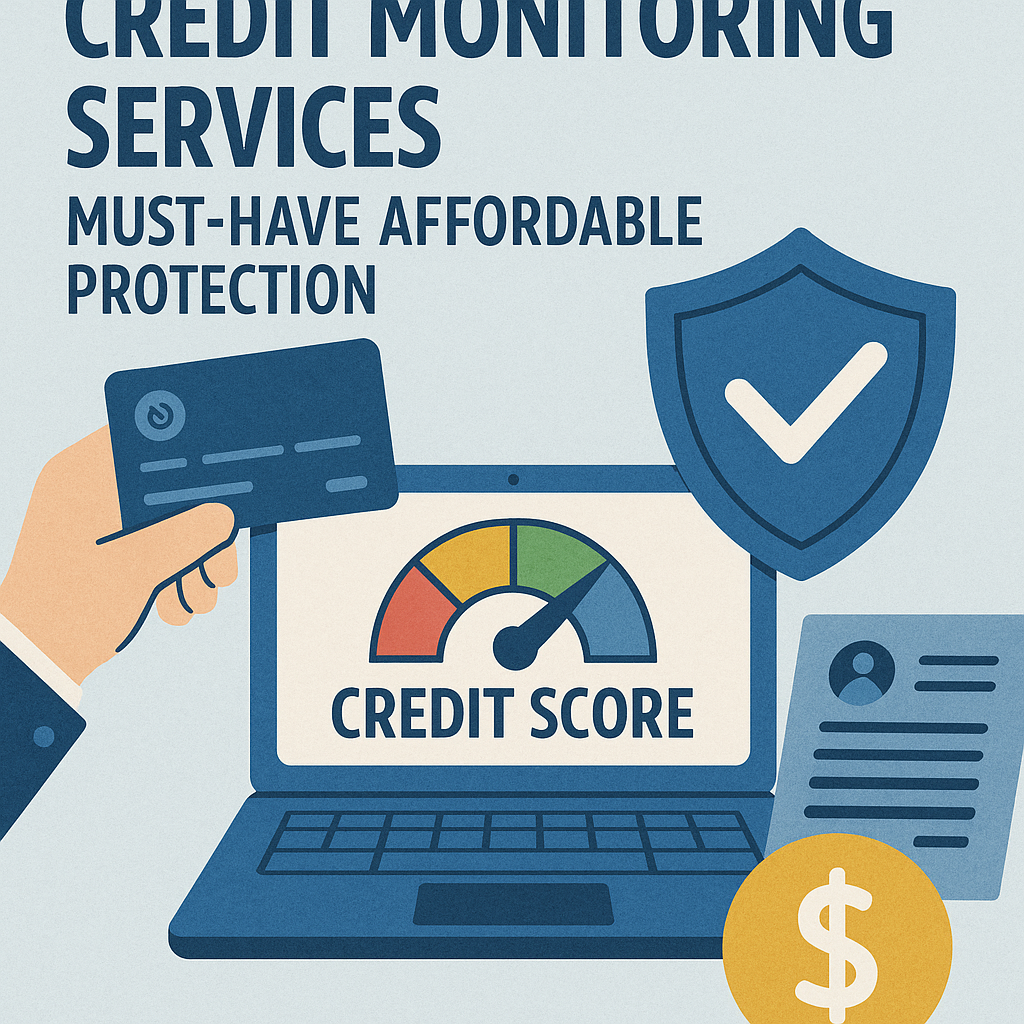
Your credit report influences far more than just loan approvals. It can impact the interest rate you receive on a car loan, whether you qualify for a mortgage, and even what you pay for certain insurance policies. When fraudulent activity hits your credit file—like a new credit card opened in your name—the effects can be expensive and time-consuming to undo.
Credit monitoring helps by scanning for changes such as:
– New accounts opened under your identity
– Hard inquiries from lenders you didn’t contact
– Sudden changes in balances or credit utilization
– Address or personal information updates
– Delinquent payments or collection accounts you don’t recognize
Early detection is the biggest advantage. The faster you spot something unusual, the faster you can dispute it, freeze your credit, and reduce potential financial fallout.
How Credit Monitoring Works (And What It Doesn’t Do)
Credit monitoring is typically a subscription service that tracks your credit file and sends alerts when it detects key changes. Some services monitor one credit bureau (Experian, Equifax, or TransUnion), while others monitor all three.
However, it’s important to understand what credit monitoring does not do:
– It doesn’t automatically prevent fraud (it alerts you after changes occur)
– It doesn’t guarantee all fraud is caught (coverage varies by bureau and feature set)
– It doesn’t replace good security habits (strong passwords, cautious clicking, etc.)
Think of it as a smoke detector: it won’t stop the fire, but it can give you the warning you need to act quickly.
Credit Monitoring Services: What to Look For in an Affordable Plan
Not all monitoring services are created equal, and “best” depends on what you actually need. If affordability is the goal, focus on features that provide real value rather than flashy extras.
Here are the most useful features to prioritize:
1. Bureau Coverage (One vs. Three)
A budget-friendly option may cover only one bureau, which can still be useful, especially if you check the others periodically on your own. A three-bureau plan provides broader visibility since lenders don’t always report to all bureaus equally.
2. Real-Time Alerts
The best services send alerts quickly—by email, text, or app notification—so you can respond immediately.
3. Credit Score Updates
Some services provide regular score updates. Keep in mind there are different scoring models, so the score shown may not match what a lender pulls, but changes and trends are still helpful.
4. Identity Theft Support and Insurance
Many plans include identity theft assistance, and some bundle insurance that can reimburse certain expenses (like legal fees or lost wages) related to restoring your identity. Read the fine print: coverage limits and eligibility vary.
5. Dark Web or Data Breach Monitoring
This can be a useful add-on, especially if the service monitors for your email addresses or Social Security number appearing in known breach databases. It’s not perfect, but it’s another layer of visibility.
Free vs. Paid Monitoring: Which Is Worth It?
Free credit monitoring options exist through banks, credit card issuers, and credit bureaus. These can be excellent starting points, especially if you’re trying to keep costs down. Many provide score tracking, basic alerts, and educational tools.
Paid plans are often worth considering if you want:
– Monitoring across all three bureaus
– More frequent score updates
– More robust identity theft recovery services
– Broader alert types (inquiries, personal info changes, public records, etc.)
If you’re unsure, start with a free option and upgrade only if you feel you need better coverage or faster, more detailed notifications.
Who Should Use Credit Monitoring?
Credit monitoring can help nearly anyone, but it’s especially valuable for:
– People impacted by a data breach (which is now most people)
– Parents and families, especially if monitoring includes child identity protections
– Mortgage or loan shoppers who want to track credit stability leading up to an application
– Anyone rebuilding credit who wants to verify progress and spot errors
– Seniors, who are often targeted by scams and account takeovers
Even if you’re financially cautious, fraud can happen through no fault of your own—often through leaked data from large companies.
Practical Steps to Pair With Monitoring for Stronger Protection
Monitoring is more effective when combined with a few extra safeguards:
1. Freeze your credit with all three bureaus if you’re not actively applying for new credit. A freeze is one of the most powerful tools to prevent new accounts from being opened in your name.
2. Use strong, unique passwords and enable multi-factor authentication for financial accounts.
3. Review statements monthly, even if you get alerts—small fraudulent charges can slip through.
4. Check your full credit reports periodically to verify accuracy. (You can access your reports from the major bureaus through official channels.)
5. Dispute errors quickly—both legitimate mistakes and fraudulent entries can hurt your score.
Final Thoughts: Affordable Peace of Mind That Pays Off
Credit monitoring services are a must-have layer of affordable protection in today’s digital environment. While no tool can eliminate risk entirely, monitoring can dramatically improve your ability to detect problems early, respond fast, and keep your credit profile clean. Choose a plan that matches your risk level and budget, focus on meaningful alerts and bureau coverage, and pair monitoring with simple security habits for the strongest results.
Further Reading
- AnnualCreditReport.com — Official free credit report access (FTC-authorized)
- FTC Guide to Free Credit Reports
- CFPB: Credit Reports and Scores
